

Denver vs. Boulder Real Estate: Which Market Wins for Investors Right Now?
I work both sides of the Front Range and I’ve learned to judge a block by how it sounds at 7 a.m.—garage doors in Denver’s bungalows rolling up for school drop-off, or the quiet of a Boulder cul-de-sac as cyclists clip in for an early climb. On paper these markets look like cousins; on the ground, they behave like opposites. If you’re underwriting a deal today, you’re weighing two very different logics: Denver’s scale and yield levers versus Boulder’s scarcity and staying power. (And yes, Sundance is headed for Boulder down the road—but that’s future seasoning, not tonight’s dinner.)
For zoning, ADUs, and permitting context, the official Denver Community Planning & Development page and the City of Boulder Planning & Development Services are worth bookmarking. Below is what I share with clients—no hype, just how each city actually lives for an investor: cash flow, policy friction, neighborhood texture, and the kinds of plays that still pencil when the inspection report and HOA minutes hit your inbox. When you’re ready, scroll into the listings with a sharper filter.
Cash Flow vs. Scarcity Premium: How Each Market Actually Makes Money
Denver rewards operators who like moving parts—accessory dwellings, mid-term rentals, light value-adds near transit. Boulder rewards patience—own the right asset in the right pocket, keep it tight, and let time and limited supply do work for you. Both can be excellent; they just suit different temperaments.
ADUs as Yield Multipliers (Denver is plug-and-play; Boulder is newly feasible)
In Denver, citywide ADU eligibility means a lot of standard lots can carry a backyard rental or suite, especially in neighborhoods where alley access simplifies circulation. It’s not “free money”—build costs and inspections are real—but the second door can stabilize a pro-forma fast, particularly with 30- to 90-day medical, project, and relocation tenants. In Boulder, recent rule updates made ADUs far more practical than they were; the caveat is design and site nuance still matter. Think careful massing, neighbors who read agendas, and an approval timeline you respect rather than try to outrun.
Short-Term Rental Reality Check (Primary-res rules; festival carve-outs later)
Both cities are strict about short-term rentals tied to an owner’s primary residence. That funnels most investor strategies toward mid-term (30+ day) or classic 12-month leases. Boulder has created narrow, festival-only licensing for major events in the future; it’s a useful seasonal valve—just don’t underwrite year-round STR income on the back of it.
Parking Minimums & Site Costs (Denver’s hidden hard-cost lever)
Denver’s removal of minimum parking on many projects quietly changed small-lot infill math. If you’ve ever fought a 1.0–1.5 stall ratio on a tight site, you know what this means for circulation, excavation, and carrying costs. In Boulder, parking policy is evolving but remains more context-driven; assume you’ll solve it on a site-by-site basis and budget accordingly.
Inclusionary & Linkage Fees (Model them or they’ll model you)
Denver’s inclusionary and linkage rules bite hardest at the 10-plus-unit scale; they don’t kill deals, but they force sharper design and unit-mix discipline. Boulder’s inclusionary requirement is stiffer and by design preserves scarcity. Translation: small-to-mid builders feel the squeeze; long-term holders benefit from a market where adding supply is expensive and slow.
Operations: Licenses, Inspections, Roommates & Insurance (The Boring Stuff That Saves Deals)
- Rental licensing & inspections: Denver requires licensing for long-term rentals with third-party inspections on a regular cycle. In Boulder, expect a rental license and a few local wrinkles—like outdoor lighting compliance on multi-unit properties. Neither is a reason to avoid a deal; both are reasons to budget time and line-items up front.
- Occupancy & roommates: Recent state changes eased unrelated-person caps, which quietly helps the “more bedrooms, more stability” model in both cities—especially near campuses and hospitals. Safety and space rules still apply; be precise with bedroom counts and egress.
- Insurance reality: This is Front Range hail country. Many carriers quote wind/hail deductibles as a percent of dwelling value. Pay attention to roof age, decking, and whether you’re looking at ACV vs. replacement cost on the policy. That single line can swing your reserves.
Neighborhood Plays That Still Pencil (And Where They Don’t)
Denver: Scalable, Operator-Friendly
- RiNo / Five Points: Small-lot infill and adaptive reuse love the lighter parking load. Street life is lively; weekday noise is real. Great for mixed strategies—design-forward units for mid-term stays plus ground-floor commercial where zoning allows.
- Sloan’s Lake / Highlands: Cosmetic value-add with backyard ADU potential. Buyers here are end-user picky, so finishes and floor-plan fixes matter. The lake loop sells itself on Saturday mornings; so does the traffic after 4 p.m.—factor driveway egress.
- Wash Park / Cherry Creek: Flip risk is execution, not absorption. You’re selling to taste and light. Multi-unit or mixed-use has to clear inclusionary math; if it can’t, don’t force it.
- South-by-Transit corridors (Platt Park, Baker, Overland): ADU + mid-term rental blends carry well near hospitals and tech nodes. Watch older clay sewer lines and alley conditions—unsexy, but they bite margins if ignored.
Boulder: Tight, Quiet, Durable
- Mapleton Hill / Newlands: The preservation ethic is real; it’s part of the premium. ADUs are more feasible now, but scale expectations to the block. You’re buying time and address—hold patiently and keep the envelope respectful.
- North Boulder: Solid long-term rental base with low churn when you mind condition and storage (bikes, skis, cargo). Tenants here are picky about natural light and outdoor access; small patios and gear nooks aren’t fluff—they’re retention.
- Table Mesa / South Boulder: Schools and trailheads keep demand steady. Roommate flexibility helps the math on 4-bed layouts; just make sure every “bedroom” is code-true on egress and ceiling height.
- Central Boulder near campus: Great occupancy, higher wear-and-tear. Budget for durable surfaces, lockable storage, and annual touch-ups like it’s a line item—not a surprise.
Street-Level Texture You Only Learn by Owning Here
- Snow windows: In Denver’s older districts, plows can mound ice at alley aprons; ADU tenants will mention it if trash pickup stalls. A simple shoveling plan keeps reviews—and renewal odds—high.
- Sound profiles: Boulder’s quiet is a feature. Tenants notice leaf blowers at 8 a.m. as much as they notice owl calls after 10 p.m. Mind landscaping vendors and weekday schedules.
- Bike culture = storage culture: In both markets, wall-mounted racks and a clean, lit path from street to storage reduce hallway scuffs and deposit disputes more than any “no bikes inside” clause.
- HOA minutes matter: A single paragraph about “noise, occupancy, or parking concerns” will tell you more about future friction than a dozen glossy photos.
Future Signal: Sundance & Seasonal Spikes (Not Today’s Underwriting)
Boulder’s festival-period lodging license is a smart pressure release for big events on the horizon. Treat it like a winter bonus round, not your base case. The stronger play is to own the right asset in a walkable pocket and keep it immaculate—festival or not, that’s what keeps vacancy low here.
Investor Matchmaking: Which City Fits Your Strategy?
Pick Denver if you:
- Like levers—ADUs, mid-term stays, light value-add, and transit adjacency.
- Prefer larger tenant pools and more exit options across price points.
- Can manage mild policy friction (licensing, inspections) in exchange for scale.
Pick Boulder if you:
- Value long-term scarcity over near-term cash pop.
- Are comfortable with tighter design rules and slower approvals.
- Want low-churn tenants who renew when you mind condition, storage, and quiet.
My short version? If you’re an operator, Denver tends to “win” right now. If you’re a patient holder who values address and low churn, Boulder is hard to beat over a long arc.
If you want help matching an address to your strategy, I’m around—usually with notes on which blocks feel right after dark and which alleys ice over first. When you’re ready, let’s line up a short list and go walk them the way real buyers and tenants do.

Ready to find your dream home in Denver?
We can help! Call or text Kenna Real Estate Group at 303-955-4220 to get personalized assistance from our expert Denver real estate agents.
View Latest Investor Friendly Home for Sale in Denver

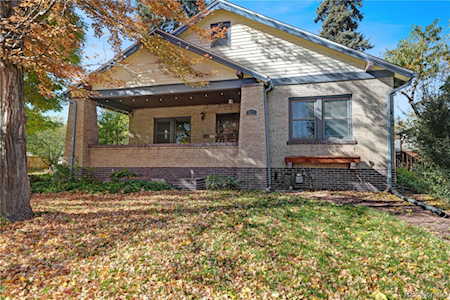
 Modus Real Estate
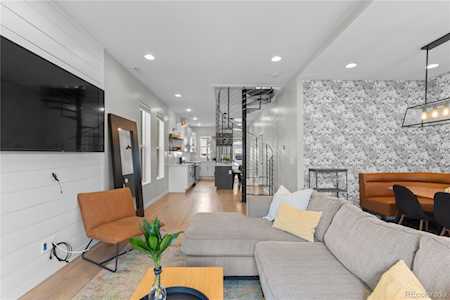
 Corcoran Perry & Co.
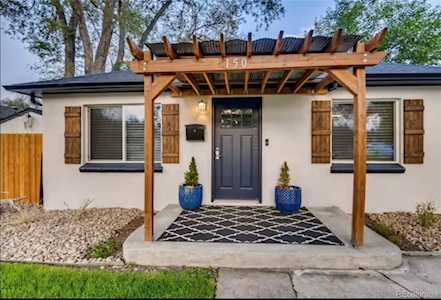
 Compass - Denver
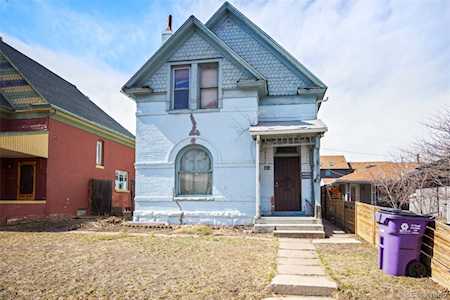
 Resident Realty North Metro LLC
 Mhc Realty Group LLC
 RE/MAX Northwest Inc
 RE/MAX Northwest Inc
 Good Neighbor LLC
 Coldwell Banker Realty 24
 Compass - Denver
 Megastar Realty
 Modus Real Estate
 Exp Realty, LLC
 Liv Sotheby's International Realty
 Corcoran Perry & Co.
 Exp Realty, LLC
 Brokers Guild Homes
 Brokers Guild Homes
 West And Main Homes Inc
 Keller Williams Advantage Realty LLC
 Colorado Realty Network Inc.
 Compass - Denver
 Compass - Denver
 Homesmart Realty
 Khaya Real Estate LLC
 Brix Real Estate LLC
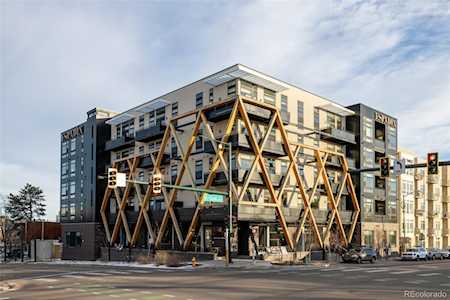 RE/MAX Of Cherry Creek
 RE/MAX Professionals
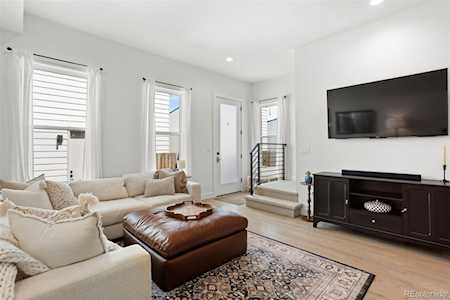 Liv Sothebys International Realty- Breckenridge
 RE/MAX Of Cherry Creek
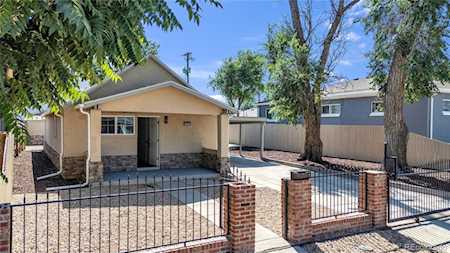 Your Castle Real Estate Inc
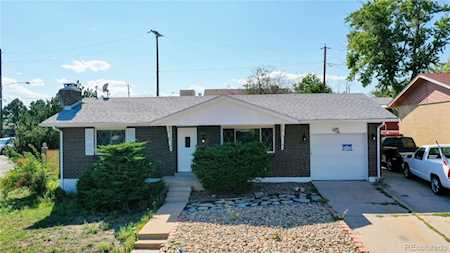 Brix Real Estate LLC
Properties displayed may be listed or sold by various participants in the MLS,” as established by the applicable MLS Governing Documents.
The content relating to real estate for sale in this web site comes in part from the Internet Data eXchange ("IDX") program of METROLIST INC® Real estate listings held by brokers other than The Kenna Real Estate group are marked with the IDX Logo. This information is being provided for the consumers' personal, non-commercial use and may not be used for any other purpose. All information subject to change and should be independently verified. Click here for the full Terms of Use
Denver vs. Boulder — Investor FAQ
What’s the single biggest policy difference shaping investor returns right now?
In practical underwriting, it’s Denver’s citywide ADU eligibility and parking-minimum relief versus Boulder’s higher inclusionary requirements with newly loosened ADU rules. Denver’s changes make small-lot infill and “second-door” income easier to pencil; Boulder’s rules preserve scarcity, which favors long-term holders more than short-term yield hunters. For grounding, see the official planning portals for Denver Community Planning & Development and City of Boulder Planning & Development Services.
Can I operate short-term rentals (Airbnb/VRBO) in Denver or Boulder?
Treat both cities as primary-residence STR markets. In Denver, hosts must rent their primary residence and maintain an STR license (details via the city’s Short-Term Rental Licensing). Boulder’s baseline is similar for STRs; however, the city created a narrow festival-period lodging license tied to major events in the future. That’s a seasonal carve-out, not a year-round portfolio strategy. If you need dependable income, plan on mid-term (30+ day) or standard 12-month leases in both markets.
What ADU pitfalls should I budget for in each city?
In Denver, the policy door is open, but build math still hinges on alley access, utility upgrades (older clay sewer lines), egress/height, and lender treatment of ADU income. In Boulder, ADUs are newly feasible but remain design-sensitive: massing, privacy, and site context can affect approvals and timelines. Start with the official guidance—Denver’s planning hub and Boulder’s ADU resources under Planning & Development—then vet costs with local GCs who regularly build carriage units or garage conversions.
Do I need a rental license or inspections to lease long-term?
Yes in both. Denver requires a Residential Rental Property license for 30-day+ rentals, including third-party inspections on a multi-year cycle (see the city’s Residential Rental License). Boulder requires a rental license; multi-unit properties must also meet specific outdoor lighting standards to qualify for a 4-year license term—details via Rental Housing Licensing. Build inspection, licensing time, and minor retrofit costs into your pro-forma rather than treating them as surprises.
What’s the situation with occupancy limits and roommate strategies?
Colorado eased most unrelated-person caps, which quietly helps room-by-room and mid-term leasing models in both cities—especially near universities and medical corridors. You still must meet bedroom egress, square-footage, and life-safety codes. For practical targeting, think near-campus pockets in Boulder and hospital/university nodes in Denver, then tailor layouts for storage and work-from-home nooks to reduce turnover.
Where do mid-term (30–90 day) rentals tend to perform best in each market?
In Denver, target neighborhoods with quick access to major hospitals, tech corridors, and light rail—think transit-served districts and established in-town areas where ADUs or lower parking burdens support a second door. In Boulder, proximity to CU Boulder, research labs, and bikeable office clusters creates steady demand; storage for bikes/gear and quiet hours matter as much as square footage. Use the city planning sites (Denver CPD and Boulder Planning) to confirm zoning, then sanity-check demand by walking the block at night and during commute windows.

Post a Comment