
Top 10 Denver Neighborhoods for House-Hacking After the Citywide ADU Rule Change
I’ve been walking Denver blocks for years—peeking down alleys, measuring setbacks, talking with neighbors who’ve quietly built something behind the main house. Since the city’s citywide ADU reform and Colorado’s statewide ADU law went live, those backyards started looking different. Rezoning is off the worry list, minimum lot sizes are gone, and setbacks finally make sense. Suddenly, the places that felt “too tight” or “too historic” are getting new life. Here’s where I’d focus if I were buying or building for house-hacking right now.
Chaffee Park – Early ADU Adopter Energy
Chaffee Park homes sit in one of the first Denver neighborhoods to embrace ADU rezonings, so the learning curve is short. Post-war bungalows line quiet streets, alleys run true, and neighbors are used to seeing carriage houses sprout behind garages. You’ll find owners building for parents, for renters, or both—often with strong community support. It’s the kind of neighborhood where a quick coffee walk turns into a backyard tour.
Trade-offs: Rising land values and small-lot limitations in some sections. If you’re close to a historic edge, plan ahead for design review. Still, few places in Denver are as ready for ADU execution as this one.
Sunnyside – Narrow-Lot Savvy, Transit-Linked
Sunnyside properties reward buyers who know how to read a plat. Narrow but deep, most lots back to alleys, making them ideal for compact carriage houses or over-garage studios. Breweries and murals fill the side streets, and tenants here tend to value walkability and community. On summer evenings, the smell of barbecue and hops blends with the sound of framing nailers—signs of quiet reinvention.
Trade-offs: Tight sites demand thoughtful massing and sometimes creative parking layouts. But rental demand and proximity to transit keep yields strong.
Berkeley & Sloan’s Lake – High Demand, High Standards
Around Tennyson Street and Sloan’s Lake, Berkeley homes and older lakefront properties are seeing polished ADUs that rent fast. Two-story forms sit neatly behind craftsman bungalows, catering to professionals and remote workers. The 2023 standards update allowing taller detached forms fits the character here.
Trade-offs: Price of entry is high, and design scrutiny comes with the territory. Still, the combination of lake views, park access, and renter appetite keeps this market resilient.
Platt Park – South Pearl Sundays & Backyard Balance
Platt Park homes sit among deep lots and alleys perfect for detached ADUs. The South Pearl Street Farmers Market adds weekend foot traffic, making this one of Denver’s most walkable enclaves. Here, small backyard cottages blend easily with established gardens and patios—great for renters who value quiet charm close to light rail.
Trade-offs: Land prices reflect popularity, and parking can tighten on market days. But the blend of character and convenience makes ADUs pencil long-term.
Park Hill – Deep Lots & Generational Logic
The east-side calm of Park Hill hides generous setbacks and long driveways that suit detached ADUs. Many residents are building for family first, renters second—aging parents, college kids, or caretakers. With zoning barriers lifted, it’s easier than ever to do that within the same footprint. Heritage trees and brick homes keep the neighborhood timeless.
Trade-offs: Higher land basis and occasional historic oversight, but the payoff is stability and strong tenant quality.
Athmar Park – Ranch Practicality by Huston Lake
In Athmar Park, mid-century ranches with flat yards make construction simple. Around Huston Lake Park, you’ll spot garages mid-conversion and homeowners testing rental waters. It’s practical, quiet, and solidly middle-income—a true “live-in-the-front, rent-the-back” setup.
Trade-offs: Shallower parcels near the park require creative footprints, and older utilities can need upgrades. Still, affordability and layout make it a standout for beginners.
Barnum & Barnum West – Skyline Views on a Budget
The slopes west of Federal make Barnum homes a quiet ADU sleeper. Alleys and skyline views combine with modest pricing, making it friendly to first-time investors. Garages are small, but the lots fit clean two-story carriage houses with panoramic sunsets. It’s Denver grit with a skyline glow.
Trade-offs: Hillside grades mean extra foundation cost, and on-street parking can be tight near the parks. But you still get the best view-per-dollar ratio in the city.
West Colfax – Artsy, Transit-Rich, Ready for Infill
In West Colfax, the 40 West Arts corridor and light-rail spine meet alley-lot reality. Creative owners are turning detached garages into studios, galleries, or rentals, and zoning reform just smoothed the path. It’s an ideal setting for design-forward ADUs that double as workspace and income.
Trade-offs: Irregular parcels and jurisdiction overlaps with Lakewood mean confirming setbacks early. But the artistic pulse makes this a magnet for younger tenants.
Montbello – Wide Lots, Working Families
Montbello homes offer room to breathe—often 60-foot-wide lots that simplify detached construction. It’s practical housing stock built for multi-generational living, and the ADU rule change finally gives long-time owners a predictable path to add space or income. It’s less about aesthetics, more about functionality and family roots.
Trade-offs: Fewer nearby amenities and longer commutes, but affordability keeps the math attractive for house-hackers.
Green Valley Ranch – Newer Bones, Airport Workforce Demand
Green Valley Ranch properties feel suburban, but their wide side yards and uniform plats make ADUs predictable to plan. Many tenants here work at DIA or along Tower Road, keeping one-bedroom demand steady. With few design surprises, this area delivers clean execution and steady rent flow.
Trade-offs: Car dependency and HOA clauses in some phases. Still, the simplicity of newer infrastructure means fewer surprises once you break ground.
Congress Park – Tight Sites, Premium Rents
Congress Park homes are close-in and coveted. These tree-lined blocks see careful ADU builds that respect scale and maximize rent. Expect architect-drawn plans, discreet mechanicals, and tenants who stay for years. Compatibility is key here, but the rents make patience worth it.
Trade-offs: High acquisition costs and small footprints. Success comes down to precision and neighborhood fit.
How to Read a Denver Lot for ADU Potential
- Lot depth: Detached ADUs fit in the rear 35 %. Measure before you draw. Reference the city’s ADU guide for diagrams.
- Alley access: Alleys simplify utilities and parking. Confirm context on the ADU zoning map.
- Utilities: Check service runs and capacity with the Residential Permitting Guide.
- Context: Historic overlays require compatible height and materials per Landmark Design Review.
The takeaway from walking all these blocks? Every alley, tree line, and setback tells its own story. The new ADU rules opened doors citywide—your job is to read the lot, match the rhythm of the street, and build something that fits the neighborhood you call home.
Curious if your lot qualifies for an ADU? Send the address and I’ll pull the map, check setbacks, and help you gauge the build potential before you start drawing plans.
View Latest Denver House-Hacking Homes for Sale
 Homesmart
 Keller Williams Integrity Real Estate LLC
 Joy Of The Rockies Realty
 Joy Of The Rockies Realty
 Joy Of The Rockies Realty
 Joy Of The Rockies Realty
 Modus Real Estate
 Milehimodern
 Modus Real Estate
 Embark Realty Group
 Symbio Denver Corp.
 Real Estate Solutions
 Redfin Corporation
 Real Estate Solutions
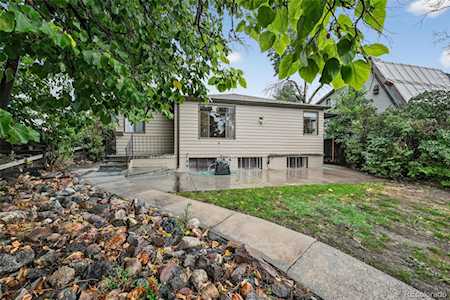 Trelora Realty, Inc.
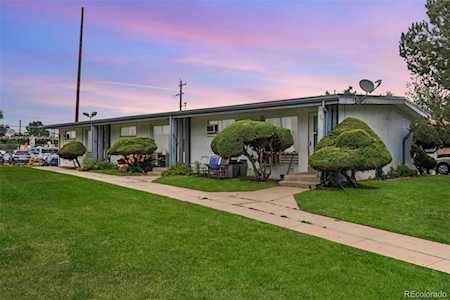 Premier Real Estate Management LLC
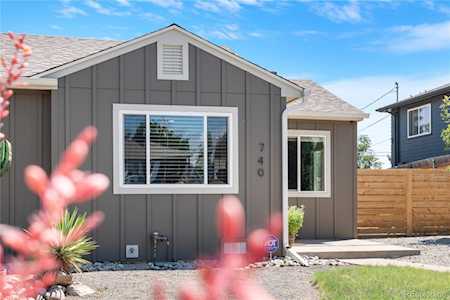 Keller Williams Integrity Real Estate LLC
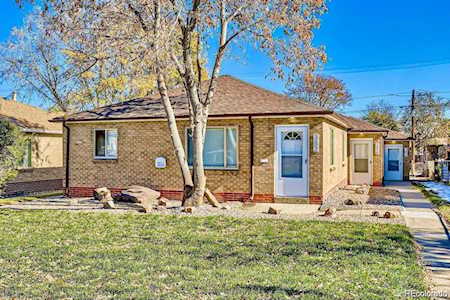 Keller Williams Realty Downtown LLC
 Compass - Denver
 Redfin Corporation
 Real Estate Solutions
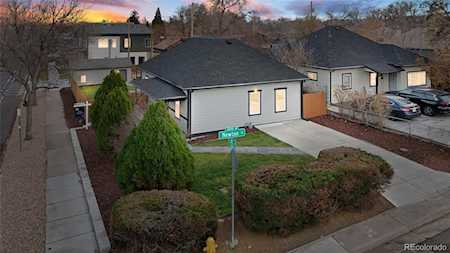 Real Broker, LLC Dba Real
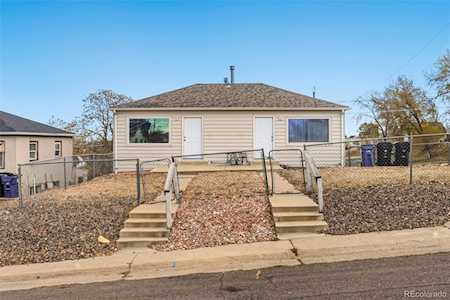 West And Main Homes Inc
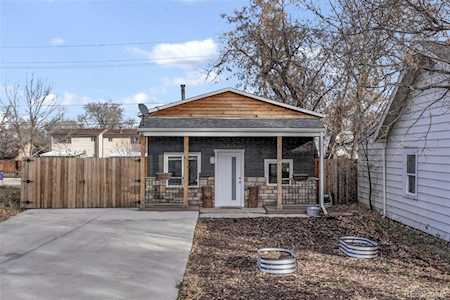 Real Broker, LLC Dba Real
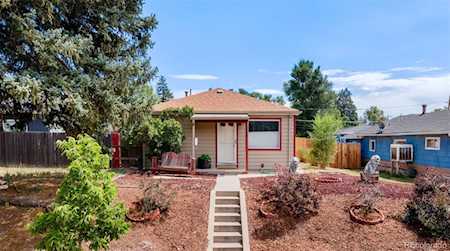 Keller Williams Avenues Realty
 Cityscape Real Estate LLC
 RE/MAX Of Cherry Creek
 RE/MAX Professionals
 Realty One Group Premier
Properties displayed may be listed or sold by various participants in the MLS,” as established by the applicable MLS Governing Documents.
The content relating to real estate for sale in this web site comes in part from the Internet Data eXchange ("IDX") program of METROLIST INC® Real estate listings held by brokers other than The Kenna Real Estate group are marked with the IDX Logo. This information is being provided for the consumers' personal, non-commercial use and may not be used for any other purpose. All information subject to change and should be independently verified. Click here for the full Terms of Use

Ready to find your dream home in Denver?
We can help! Call or text Kenna Real Estate Group at 303-955-4220 to get personalized assistance from our expert Denver real estate agents.
Post a Comment