

Longmont CO Homes for Sale – Lakeside Loops, Downtown Patios & Easy Front Range Access
Longmont real estate centers on Main Street/US-287 and Ken Pratt Blvd, where cottonwoods shade the St. Vrain Greenway, paddleboards skim across Union Reservoir, and lavender skies fade over McIntosh Lake. Downtown’s brick fronts carry a steady dinner-hour hum, while historic blocks mix with newer cul-de-sacs shaped by trails and reservoir access. Housing options range from Victorian homes and mid-century ranches to newer east-side builds near Sandstone Ranch. Scroll below to explore homes for sale in Longmont and find the neighborhood that fits your routine.
Latest Homes for Sale in Longmont
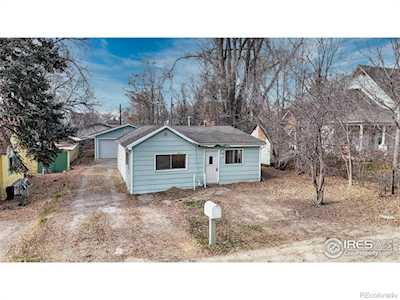
 Black Feather Realty
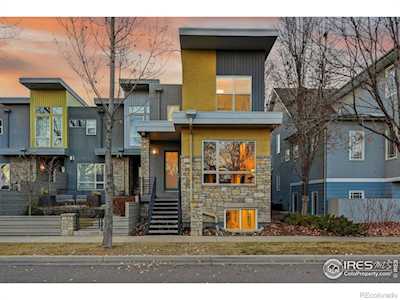 Compass - Boulder
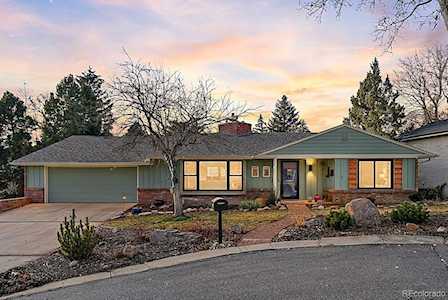 Lokation
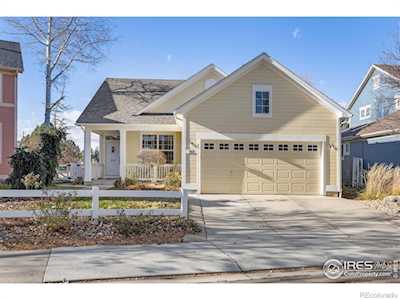 Compass - Boulder
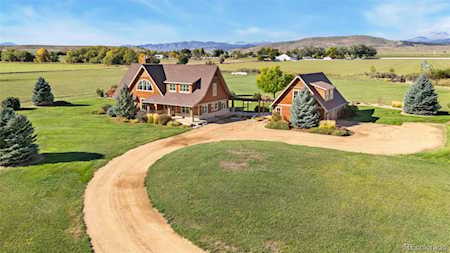 Heather Brandt
 Dwellings Colorado Real Estate
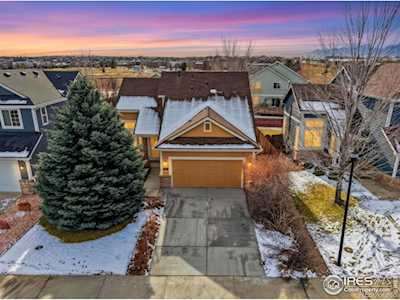 Coldwell Banker Realty-Boulder
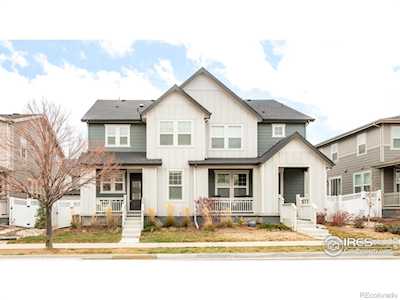 Milehimodern - Boulder
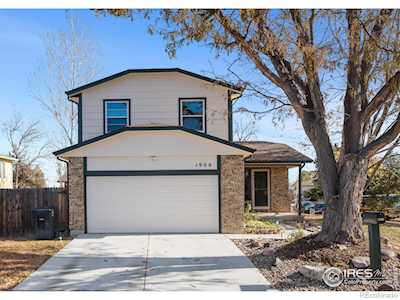 Coldwell Banker Realty- Fort Collins
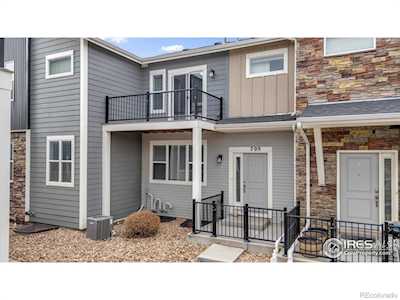 Wk Real Estate Longmont
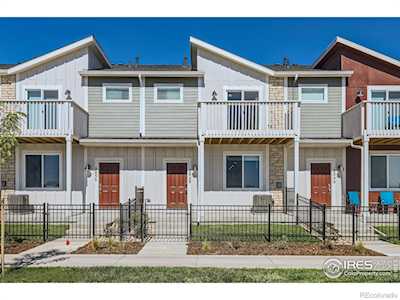 Dfh Colorado Realty LLC
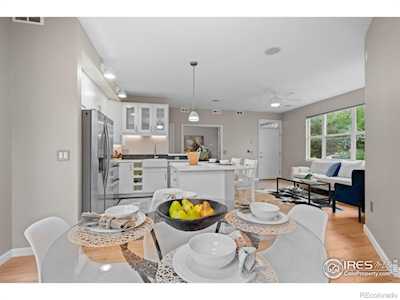 Modern Design Realty Group LLC
Properties displayed may be listed or sold by various participants in the MLS,” as established by the applicable MLS Governing Documents.
The content relating to real estate for sale in this web site comes in part from the Internet Data eXchange ("IDX") program of METROLIST INC® Real estate listings held by brokers other than The Kenna Real Estate group are marked with the IDX Logo. This information is being provided for the consumers' personal, non-commercial use and may not be used for any other purpose. All information subject to change and should be independently verified. Click here for the full Terms of Use
Longmont Homes by Property Type
| Single Family Homes for Sale | New Construction Homes for Sale |
| Patio Homes for Sale | 55+ Adult Community Homes for Sale |
Longmont Community Snapshot
Main Street hums most evenings; patios spill onto brick sidewalks and live guitar drifts from the Downtown Creative District.
Morning calm at Union Reservoir, geese lifting off McIntosh at dawn, and shaded miles along the St. Vrain corridor.
Old Town foursquares near Roosevelt Park, mid-century ranches under tall trees, and new east-side cul-de-sacs with pocket parks.
US-287 for north–south drives, CO-119 toward Boulder, CO-66 for east–west hops to I-25 and US-85, and Hover Street for errands and shopping.
Quick Facts
Historic East/West of Main, Hover corridor shops, Union Reservoir/Sandstone Ranch on the east, McIntosh Lake to the west.
CO-119 (Diagonal) toward Boulder; Ken Pratt to I-25; CO-66 to US-85; LoBo (Longmont–Boulder) trail linking into Boulder’s path network.
St. Vrain Valley Schools; confirm attendance lines near boundary streets before you buy.
Check flood maps near the St. Vrain and review HOA covenants in newer pockets before committing.
Location & Commutes in Longmont
Longmont sits between the plains and the first rise of the Front Range, with US-287 running through Main Street and CO-119 tying straight to Boulder. Most weekday drives split: the Diagonal for campus and tech, Ken Pratt for I-25, and Hover for cross-town errands. CO-66 handles east–west hops to I-25 and US-85 when Ken Pratt is busy. On clear mornings, traffic toward Boulder starts stacking earlier, so many leave ten minutes ahead or ride the paved bikeway that parallels the corridor. The LoBo (Longmont–Boulder) trail links into Boulder’s path network for consistent bike commutes. The CO-119 project is bringing Bus Rapid Transit and a protected path, useful if your day-to-day pace includes Longmont Station or jobs along the corridor.
Living in Longmont: Neighborhoods & Daily Pace
Life here is tied to familiar loops: coffee on Main, errands on Hover, then a walk at McIntosh when evening light turns hazy purple. In Historic Eastside, neighbors wave from porches while sprinklers tick at dusk; dogs tug toward Rogers Grove when the evening cool hits. Westside homes carry brick details and easy walks to Roosevelt Park. Out east, cul-de-sacs around Sandstone Ranch and Union Reservoir lean newer, with trailheads instead of alleyways. Families describe weekends stacked with the farmers market at the Fairgrounds, soccer practice at Sandstone, and bike rides along the Greenway. Downtown event nights can mean cheerful street closures, good for patio diners but worth planning parking for.
Food & Culture in Longmont
The Downtown Creative District mixes galleries, murals, and restaurants in historic storefronts. On Wine Walk nights, you’ll hear laughter echo between brick walls; winter brings muffled street sounds and skate blades at Roosevelt Park’s Ice Pavilion. Cheese Importers is both grocery and sensory field trip, while Left Hand Brewing and Oskar Blues turned old warehouses into patio destinations. Saturdays pulse with the Boulder County Farmers Market—peaches, music, and bouquets in small hands. Colder months carry a different cadence: door chimes, warm soups, and quiet streets after a dusting of snow.
Homes and Real Estate in Longmont
Listings range from Old Town foursquares by Roosevelt Park to newer cul-de-sacs around Sandstone Ranch and Union Reservoir. Downtown homes show Victorian details, clapboard siding, and alley access; mid-century ranches under mature trees invite standard diligence like sewer scopes and roof checks. East and southeast neighborhoods add newer townhomes and HOA-maintained pockets—convenient for amenities but always worth reviewing rules. Around McIntosh, properties face wide sky and quieter nights; east of Union, layouts often include lofts and patios angled for breezy afternoons. If you’re looking at homes for sale in Longmont, scan property listings near Union or McIntosh based on your weekend routine.
Outdoor Activities & Parks in Longmont
The St. Vrain Greenway links Golden Ponds on the west to Sandstone Ranch on the east, cutting across town under cottonwoods. McIntosh’s 3.5-mile loop shows Longs Peak at sunset; Union adds a swim beach, wakeless paddling, and a dog beach where pups barrel into the water. Rogers Grove and Dickens Farm offer shady lawns, while Roosevelt Park gathers festivals and winter skating. Seasonal rhythms matter: mornings are glassy at Union, afternoons pick up wind; fall evenings at McIntosh bring geese chatter and lavender light on the foothills.
Schools & Education in Longmont
St. Vrain Valley Schools serve the area with neighborhood campuses plus the Quail-area Innovation Center, where students lean into robotics and drones. Families often pair after-school programs with visits to the Longmont Museum and the adjacent rec center. Attendance lines shift over time, so always confirm an address before you commit. Specialty programs can fill fast, so early tours are smart if you want a specific pathway.
Working & Everyday Convenience in Longmont
Hover Street corridors bundle hardware, groceries, and service stops, making errands efficient. Remote workers point to strong fiber coverage and quick walks on the Greenway for midday resets. Coverage is strong across Longmont, but verify at the address level; blocks can vary. Evening light lingers on west-side streets near McIntosh, a detail that makes after-work walks pleasant. Vance Brand Airport has occasional small-plane activity; stand outside for five minutes—the pattern repeats, so you’ll know quickly if it suits you. For bigger errands, Village at the Peaks covers groceries, theaters, and dining in one loop.
Buying a Home in Longmont: Practical Notes
Near the St. Vrain, confirm current flood maps and ask your insurer how they affect coverage. In HOA pockets, match pet and parking rules to your plans. Near Old Town, check any historic or exterior-change guidelines before planning upgrades. For mid-century ranches, inspections often focus on sewer lines and roof age; east of Union, factor afternoon winds into patio layouts. Downtown blocks stay lively during event nights, so tour at different times of day to gauge light, sound, and traffic changes.
Compare Longmont to Nearby Neighborhoods
If your work week points toward Boulder on CO-119, Longmont housing keeps day-to-day costs practical relative to Boulder while still putting Main Street and the reservoir trails in easy reach. US-287 makes Loveland and Fort Collins realistic if jobs run north, while Denver pulls southbound commuters on I-25. Downtown blocks carry lively event nights; Union and McIntosh offer quieter evenings and bigger skies. Choosing between them is often about commute tolerance, property style, and how lively you want evenings to feel on your block.
- Boulder — closer to trailheads and campus; tighter density, stronger bike culture.
- Erie — newer master-planned areas; faster I-25 access for commuters.
- Loveland — quieter pace; strong art scene and easy US-287 northbound drives.
- Fort Collins — larger Old Town; river trails and university energy.
- Denver — big-city culture; longer commute but broad condo and job options.

Ready to find your dream home in Longmont?
Let us help you. Call or text Kenna Real Estate at 303-955-4220 to get personalized assistance from our expert Longmont real estate agents.
Frequently Asked Questions About Longmont, CO
Is Longmont a good base for Boulder commutes?
Yes—CO-119 (the Diagonal) ties directly to Boulder, with Bus Rapid Transit and a bikeway coming online. On bright mornings, locals often leave a little early to miss peak flow or hop on the LoBo (Longmont–Boulder) trail for a calmer ride.
What do locals usually do on weekends?
Farmers market at the Fairgrounds sets the tone, followed by a McIntosh Lake loop at sunset or a paddle at Union. Folks say the dog beach at Union is the liveliest spot in summer, with splashing and laughter carrying across the water.
Which neighborhoods carry Old Town character?
Historic Eastside and Westside frame the Downtown core with foursquares, Victorians, and alley garages. Evenings bring porch lights and muffled street sounds, while event nights add music that drifts a few blocks out.
Are there specific buying quirks in Longmont?
Yes. Floodplain diligence is key near the St. Vrain—see the Buying section for details. Mid-century homes benefit from sewer scopes and roof checks, HOA pockets require a careful review of covenants, and some Old Town addresses fall under historic/exterior-change guidelines—confirm before planning exterior work.
How noticeable is Vance Brand Airport?
It’s mainly small-plane traffic, heavier on sunny weekends. Most buyers note it fades into the background quickly, but the best test is standing outside your potential home for five minutes on a clear Saturday afternoon.
What outdoor spots stand out in Longmont?
The St. Vrain Greenway offers quiet shaded miles, McIntosh Lake gives mountain views with geese overhead, and Union Reservoir brings the splash of paddleboards and a dog-friendly beach. Seasonal shifts matter—mornings are calmer, afternoons windier.
How are the schools and programs?
St. Vrain Valley Schools include neighborhood campuses and a Quail-area Innovation Center with robotics labs. Families often use the Longmont Museum nearby for programs. Attendance boundaries change, so always confirm your street address with the district before committing to a property.
What property types are most common?
Longmont has historic foursquares and bungalows near Downtown, mid-century ranches in established areas, and new construction on the east side. Townhomes and condos appear near Hover and east corridors, giving buyers multiple housing styles to consider.
Any seasonal quirks worth planning for?
Late spring brings cottonwood fluff along the Greenway, summer afternoons push steady winds across Union, and winter means skate blades and hot cocoa at Roosevelt Park. Each season changes how housing and outdoor spaces feel day-to-day.